Packaging Design
Integrating physical structure, visual graphics, color psychology, and clear information to optimize product protection and user experience.
Introduction
Packaging design is about how a package looks, feels, and works. Good packaging design protects the product, communicates clearly, and gives a positive experience when people open and use the product.
What is Packaging Design?
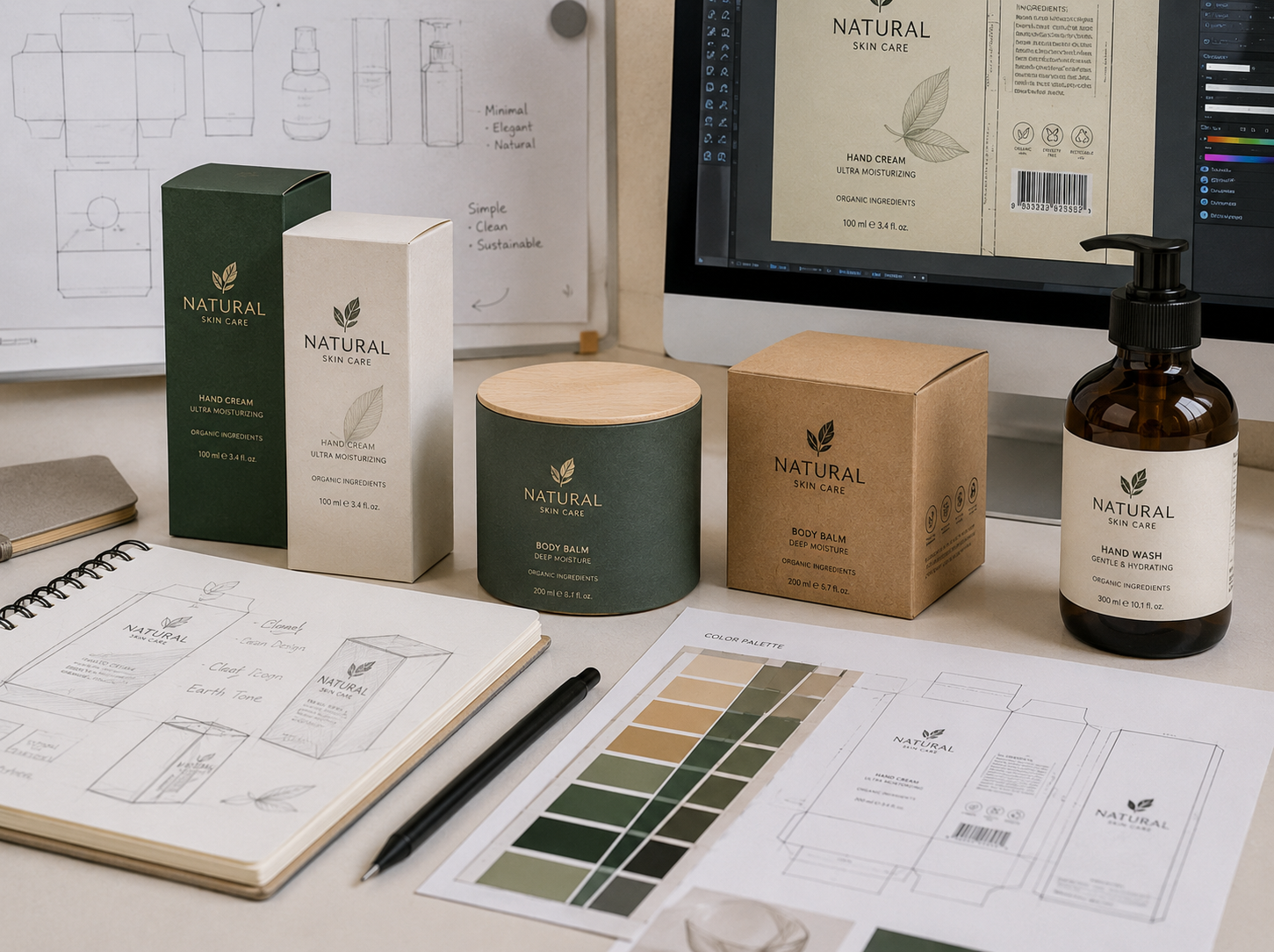
Packaging design brings together structure, graphics, materials, and usability. It includes decisions about the shape and size of the pack, the way it opens and closes, the colors and images, and the information shown on the surface.
Structural Design
Structural design focuses on the physical form of the package. It answers questions like: How strong does this box need to be? How will it be stacked on a pallet? Can the customer open it easily but still keep it closed when needed? Structural design also looks at how much material is used and how the pack behaves in transport and storage.
Graphic Design
Graphic design is what people see on the outside of the package. It includes logos, product names, images, icons, and layout. Clear graphic design makes it easy to understand what the product is, how to use it, and who the brand is. It also helps the product stand out on the shelf or in an online store.
Branding & Colors
Branding uses colors, fonts, shapes, and messages to create a strong identity. Color selection is very important because colors can signal product type, quality, and emotion. For example, green often suggests natural or sustainable products, while black and gold can suggest premium quality. Consistent branding across different packages helps customers recognize a brand quickly.
Information Design
Packaging must communicate important information clearly. This includes product names, instructions, ingredients, safety warnings, expiration dates, and recycling information. Good information design helps people quickly understand the product and use it correctly.
User Experience (UX)
User experience in packaging design focuses on how easy and pleasant it is to use the package. This includes how simple it is to open, pour, reseal, store, and recycle. A good user experience reduces frustration, prevents spills or damage, and can make customers more likely to buy the product again. Today, many brands also think about the unboxing moment, especially for e‑commerce orders, where the packaging is part of the overall experience.
Packaging & Marketing
Packaging is often the first physical interaction between a customer and a brand. Colors, graphics, materials, and the unboxing experience can influence how people feel about a product and how they remember the brand. Effective packaging can help products stand out in stores and online marketplaces. Strong packaging design supports brand recognition, customer trust, and the overall marketing strategy of a business.
Design & Sustainability
Modern packaging design must also consider sustainability. Designers try to reduce material weight, use more recyclable or recycled materials, and avoid unnecessary layers. They also think about how the pack will be handled in real life – from packing lines and warehouses to home recycling bins. Well‑designed sustainable packaging can protect products effectively while reducing environmental impact.